Mono Repos
Structure, Benefits & Best
Practices.



Dinesh Kumar
VP Engineering @ RadiansysIntroduction
Managing multiple projects efficiently is a common challenge in software development. Traditionally, teams have relied on multi-repository (multi-repo) setups, where each project, library, or service has its own repository. However, an increasing number of organizations are transitioning to mono-repository (mono-repo) structures to enhance collaboration, improve development efficiency, and streamline project management.

What is a Mono Repo?
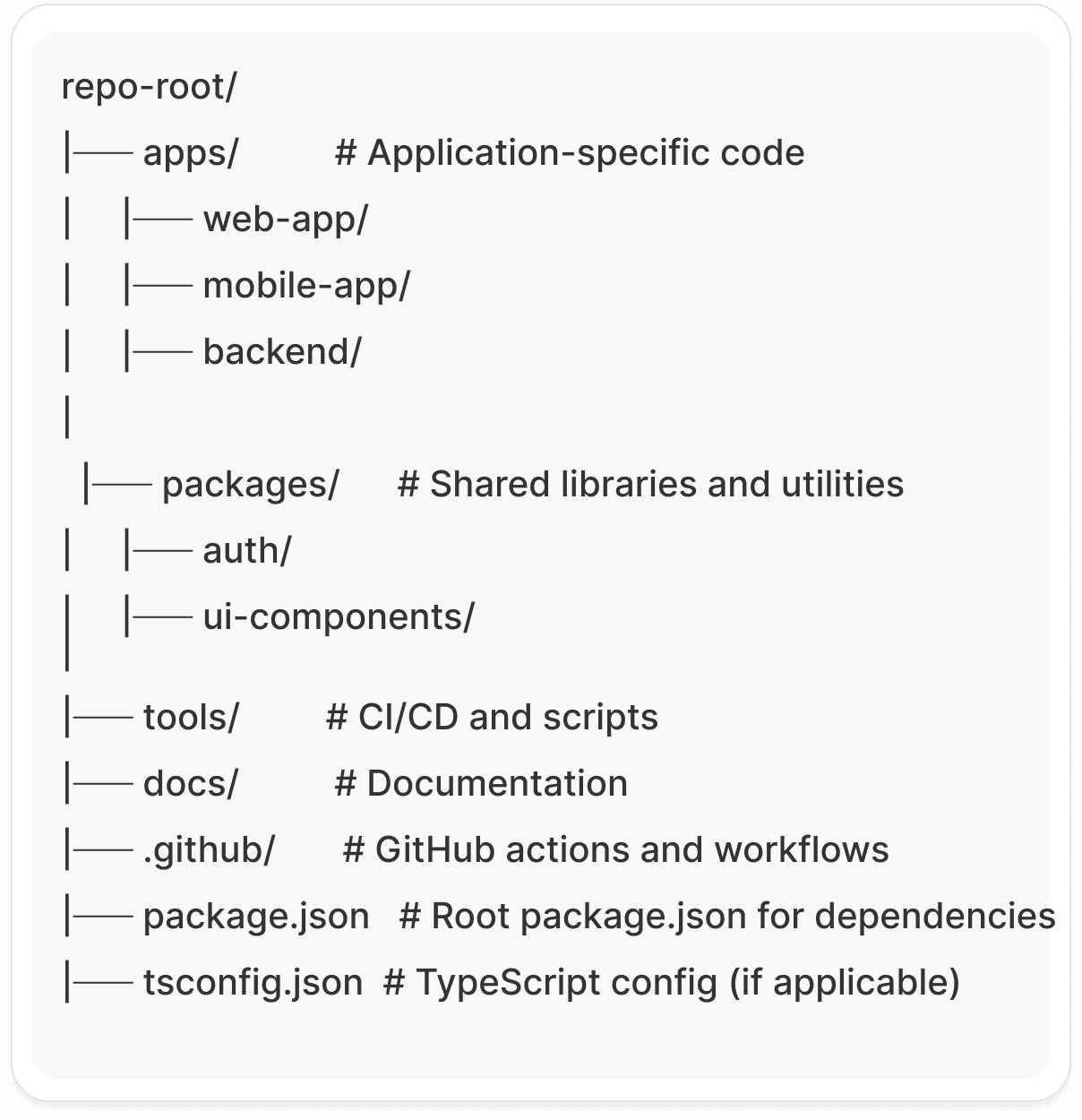
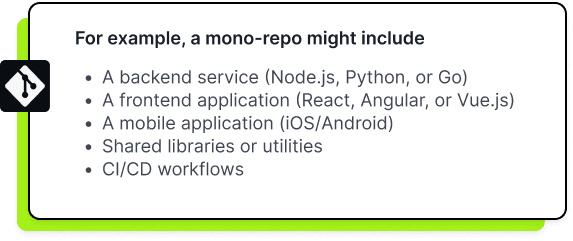
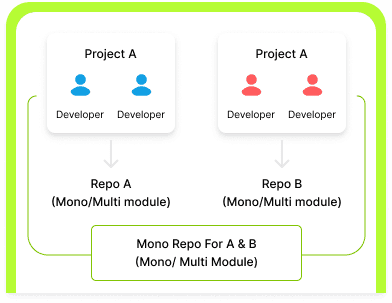
A mono-repo (monolithic repository) is a single repository that contains multiple projects, services, or packages that belong to the same organization or development ecosystem. Instead of creating separate repositories for different projects, everything is stored in a single repository with a well-organized structure.
Mono Repo vs. Multi Repo
 Mono Repo Mono Repo |  Multi Repo Multi Repo | |
|---|---|---|
| Code Organization | Single repository for all projects | Separate repositories for each project |
| Versioning | Unified versioning across all services | Different versions in different repos |
| Code Sharing | Easier sharing via internal libraries | Need to publish shared code separately |
| Collaboration | Easier cross-team collaboration | Requires coordination across multiple repos |
| CI/CD Complexity | More complex due to interdependencies | Simpler for independent projects |
Why Choose a Mono Repo?

Enhanced Code Sharing & Reusability
A key advantage of a mono-repo is the ability to seamlessly share libraries, utilities, and components across multiple projects. Instead of maintaining and publishing separate versions for different repositories, developers can directly reference shared code within the same repository. This eliminates redundant code, improves maintainability, and ensures consistency across services.
Atomic and Consistent Changes
With all related projects housed in a single repository, developers can make atomic changes that affect multiple projects simultaneously. This means that when a library, API, or shared component is updated, all dependent services are updated in a single commit. This reduces compatibility issues, minimizes dependency mismatches, and ensures system-wide consistency.
Simplified Dependency Management
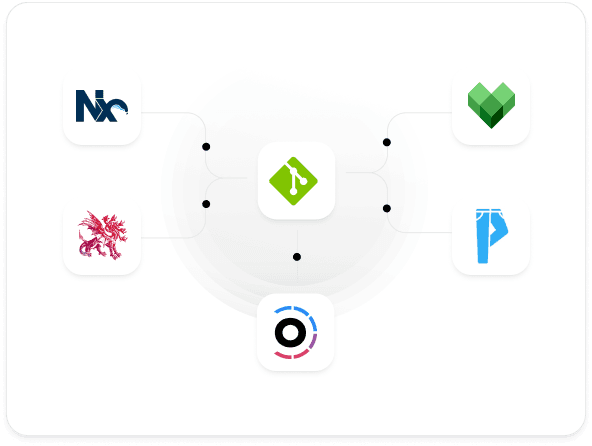
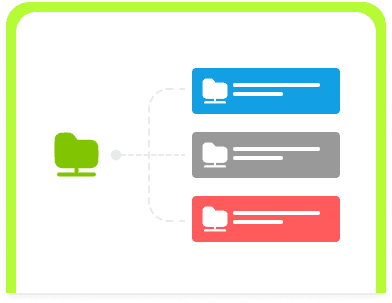
Managing dependencies is significantly easier in a mono-repo since all packages and services are contained in one place. Instead of handling separate dependency versions across multiple repositories, teams can use tools like Nx, Lerna, Turborepo, or Bazel to efficiently manage dependencies, optimize builds, and reduce version conflicts. This makes package upgrades and maintenance more predictable and less error-prone.
Streamlined CI/CD Workflows
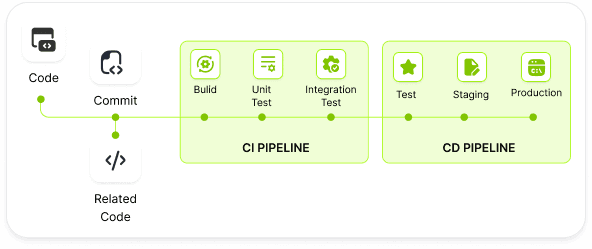
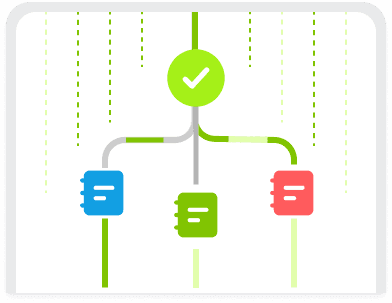
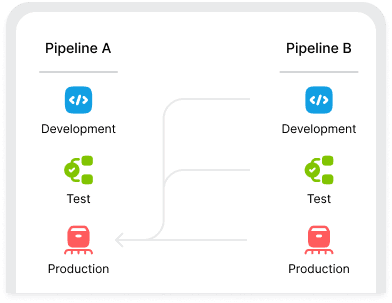
A mono-repo enables centralized and unified CI/CD pipelines, making it easier to test, build, and deploy changes across different services in a coordinated manner. Teams can implement incremental builds, ensuring that only modified services are rebuilt and tested, thereby reducing execution time and computational costs. Automation tools can intelligently detect affected areas and trigger relevant workflows, enhancing overall efficiency.
Unified Development and Onboarding Experience
Working within a single repository provides a standardized development environment for all teams. New engineers can onboard quickly since they don't need to navigate multiple repositories with different configurations. Development guidelines, tooling, and best practices are consistently applied across the entire codebase, reducing friction and improving productivity.
Greater Code Visibility & Cross-Team Collaboration
Since all code resides in one place, it is easier for review, track changes, and collaborate on different parts of the codebase. Developers can understand interdependencies, contribute to shared modules, and resolve issues more effectively. This transparency fosters a culture of knowledge-sharing and collaboration, which is particularly beneficial for large organizations with multiple teams working on interconnected projects.